Creating a cozy and inviting home workspace can transform the way you work and feel throughout your day. Whether you work remotely full-time, freelance, or just need a quiet spot for occasional tasks, having a space that feels comfortable and welcoming encourages focus and creativity. This guide offers practical tips to help you design a home office that you look forward to using each day.
Why a Cozy Workspace Matters
A well-designed workspace does more than just hold your computer and supplies. It sets the tone for productivity and helps reduce stress. When your home office is cozy and inviting, it becomes a positive place that supports your workflow and well-being.
Choosing the Right Location
Before decorating and organizing, choose a space that suits your needs.
– Natural Light: Aim for a spot near a window. Natural light can improve mood and reduce eye strain.
– Quiet Environment: Pick an area away from noisy parts of your home to minimize distractions.
– Space Availability: Consider how much room you need for your work, equipment, and storage.
– Privacy: If your work requires calls or deep focus, a private nook or room works best.
Essential Furniture for Comfort and Functionality
Investing in the right furniture contributes to comfort and productivity.
Desk
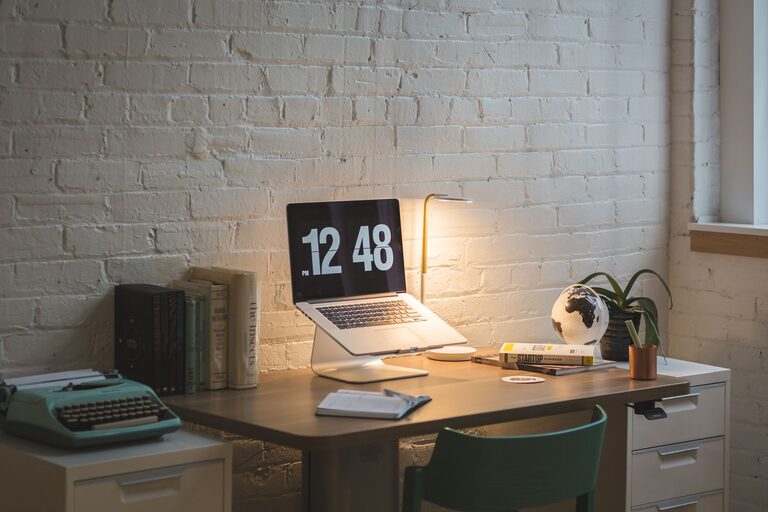
– Choose a desk size that fits your available space but allows you to spread out documents and devices.
– Adjustable desks, including standing options, offer flexibility throughout your day.
Chair
– Opt for an ergonomic chair that supports good posture.
– If possible, test chairs to find one that suits your body shape and comfort preferences.
Storage Solutions
– Use shelves, drawers, or filing cabinets to keep supplies organized and within reach.
– Declutter regularly to maintain a neat environment.
Lighting That Enhances Focus
Good lighting is critical to prevent fatigue and eye strain.
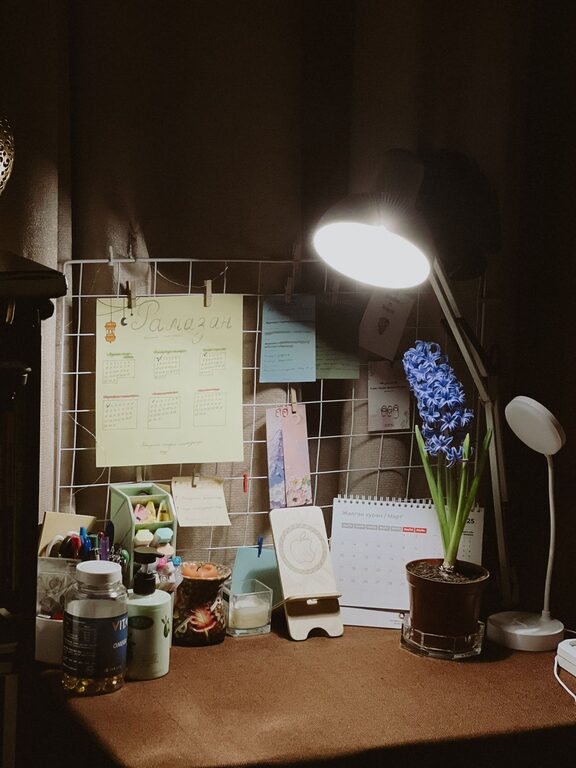
– Combine natural light with task lighting like desk lamps or adjustable LEDs.
– Choose warm light bulbs to create a cozy feeling while maintaining brightness.
– Position lights to avoid screen glare.
Personalizing Your Workspace
Adding personal touches makes your workspace more inviting.
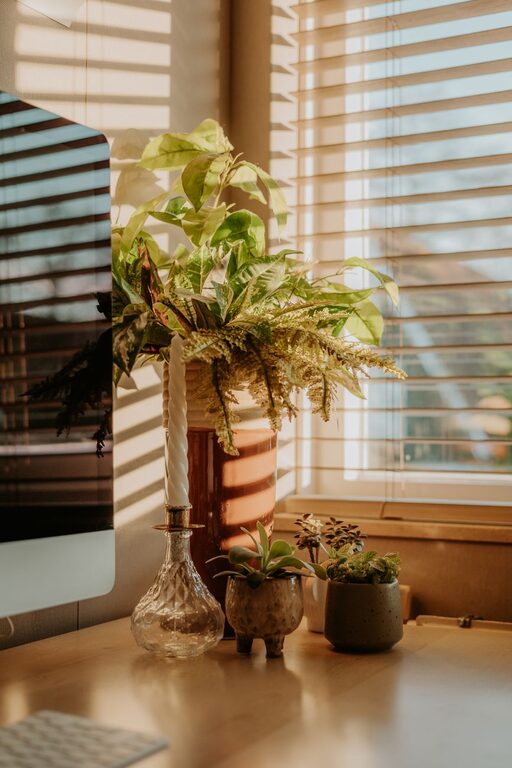
– Plants: Small indoor plants improve air quality and add a refreshing green element.
– Artwork: Hang art or photos that inspire or calm you.
– Textiles: Add soft cushions, a cozy rug, or curtains to soften the room.
– Scent: Use subtle scents through candles or essential oil diffusers to create a pleasant atmosphere.
Organizing for Efficiency
An organized workspace helps your mind stay clear.
– Use desk organizers to keep pens, notebooks, and gadgets in place.
– Implement a filing system for papers and digital tools to ensure easy access.
– Digitize documents to reduce physical clutter when possible.
Maintaining Work-Life Balance in Your Space
Design your workspace so that it signals the start and end of your workday.
– Keep work materials contained and out of sight outside working hours.
– If space is limited, consider foldable desks or convertible furniture.
– Establish a routine where you “enter” and “leave” your workspace mentally, even if physically in the same room.
Comfort Tips for Longer Workdays
Consider small additions to boost comfort during extended periods.
– Use a footrest to ease pressure on your legs.
– Add a water bottle nearby to stay hydrated.
– Incorporate a small fan or heater depending on the season.
– Take regular breaks to stretch and rest your eyes.
Technology Setup for Seamless Workflows
Optimize your tech setup for productivity.
– Arrange monitors at eye level to prevent neck strain.
– Use wireless peripherals to reduce cable clutter.
– Ensure a strong Wi-Fi connection and adequate power outlets.
Final Thoughts
Designing a cozy and inviting home workspace is about balancing comfort, functionality, and personalization. With thoughtful choices in location, furniture, lighting, and organization, you can create a space that supports your work and enhances your well-being. Remember, your workspace should serve you—tailor it to what makes you feel relaxed and focused. Small changes can make a big difference in turning your home workspace into a preferred spot for productivity.
About the Author