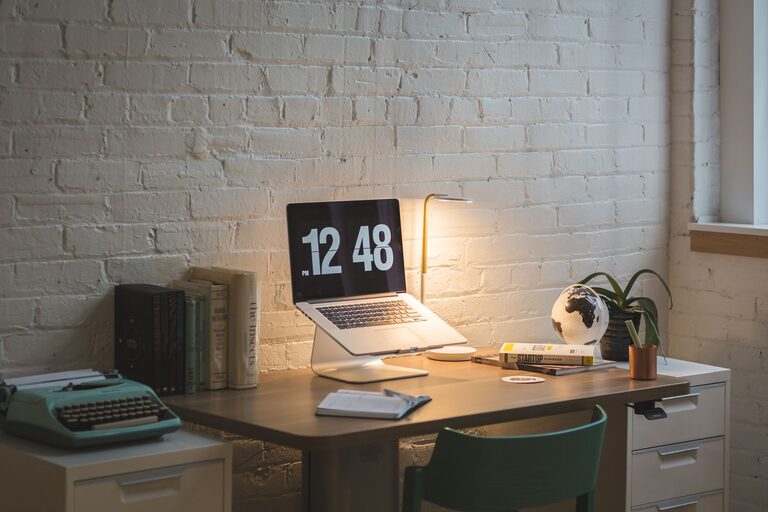

Creating a relaxing home workspace is essential for maintaining productivity and reducing stress while working from home. A well-designed environment can improve your focus, creativity, and overall well-being, allowing you to tackle your tasks efficiently. Whether you have a dedicated room or a small corner, these tips will help you build a workspace that feels inviting and supports your best work.
Why a Relaxing Workspace Matters
When your workspace is cluttered or chaotic, it can distract you and increase feelings of anxiety. On the other hand, a calm and organized environment fosters focus and motivation. A relaxing space signals to your brain that it’s time to work without overwhelming your senses. This balance helps prevent burnout and keeps your energy levels steady throughout the day.
Choosing the Right Location
Find a Quiet Spot
Select a place in your home where interruptions and noise are minimal. Near a window can be ideal since natural light enhances mood and alertness. Avoid high-traffic areas like the kitchen or living room where distractions are common.
Designate a Dedicated Area
If possible, create a workspace separate from your relaxation zones. This separation helps your mind switch between work mode and downtime, promoting better focus when it’s time to work and easier relaxation afterward.
Optimize Your Desk Setup
Invest in Comfortable Furniture
Choose an ergonomic chair with adjustable height and lumbar support. Pair it with a desk at a comfortable height to avoid strain. Comfort reduces physical distractions and supports longer periods of concentration.
Keep Essentials Within Reach
Organize your desk so frequently used tools like your computer, notebooks, and pens are easily accessible. This limits unnecessary movement and keeps workflow smooth.
Reduce Clutter
Keep your desktop tidy by using organizers, cable management systems, and storage containers. A neat environment reduces visual stress and helps maintain a clear mind.
Harness the Power of Lighting and Color
Maximize Natural Light
Position your workspace near a window when possible. Natural sunlight boosts vitamin D levels and improves mood, which can increase productivity.
Use Soft, Adjustable Lighting
Supplement natural light with adjustable desk lamps or floor lamps to reduce eye strain, especially during early mornings or late evenings.
Choose Soothing Colors
Decorate your workspace using calm colors such as blues, greens, or neutrals. These shades have been shown to promote relaxation and focus.
Incorporate Personal Comfort and Inspiration
Add Greenery
Plants can purify the air, reduce stress, and bring a touch of nature indoors. Consider easy-to-care-for plants like succulents or pothos to brighten your workspace.
Personalize Thoughtfully
Include items that inspire you, like a favorite photo, artwork, or motivational quotes. Avoid overcrowding the space to prevent distractions.
Use Pleasant Scents
Lightly scented candles or essential oil diffusers with calming fragrances such as lavender or eucalyptus can enhance your workspace’s ambiance.
Manage Noise Effectively
Use Noise-Canceling Tools
If background noise is a problem, noise-canceling headphones or white noise machines can help you focus.
Play Relaxing Music
Soft instrumental music or nature sounds can provide a soothing background that improves concentration for many people.
Establish Healthy Work Habits
Set Clear Boundaries
Define your working hours and stick to breaks. This routine trains your mind to respond to your workspace as a place for focused activity.
Take Regular Breaks
Use techniques like the Pomodoro method, working for 25 minutes and then taking a 5-minute break, to maintain energy and prevent burnout.
Keep Hydrated and Nourished
Keep a water bottle nearby and maintain healthy snacks to stay energized throughout your work session.
Conclusion
Designing a relaxing home workspace is a simple yet powerful step to enhancing productivity and well-being. By choosing a quiet location, optimizing your desk setup, managing lighting and colors, incorporating personal touches, and managing noise, you create an environment that supports focus and calm. Along with healthy habits and clear boundaries, your home workspace can become a place where you enjoy working every day. Start small and make gradual improvements to find what best suits your needs and lifestyle.
About the Author