Creating an efficient and comfortable home office can be a challenge, especially when your space is limited. With more people working remotely, having a productive workspace at home is essential. A well-organized small home office can help you stay focused and reduce stress. Here are some practical tips to optimize your small office for both productivity and comfort.
1. Choose the Right Location
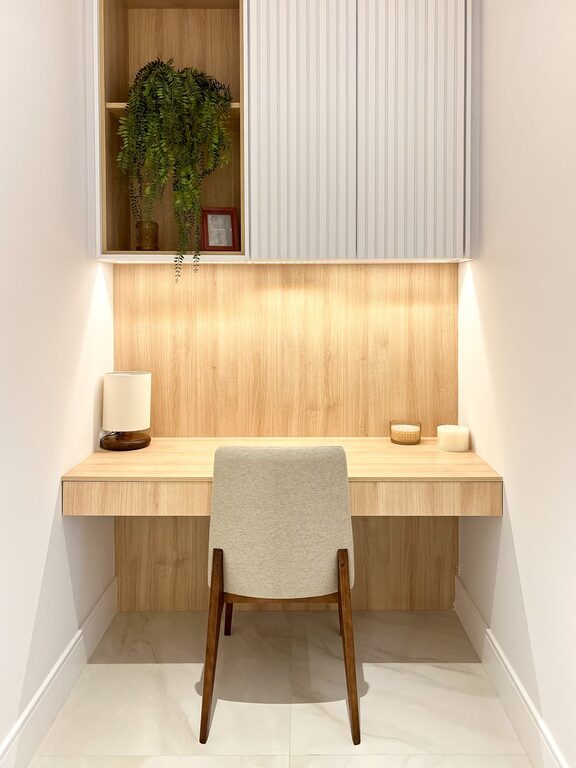
Where you set up your home office matters. Look for a quiet spot with minimal distractions and good natural light if possible. A corner of a room, a nook under the stairs, or even a closet can become a cozy workspace. By selecting a dedicated area, you mentally separate work from home life, making it easier to stay productive.
2. Prioritize Ergonomics and Comfort
Comfort plays a big role in your productivity. Investing in a good ergonomic chair and a desk at the right height will prevent strain and fatigue. If space is tight, consider a compact desk or an adjustable standing desk. Adding a footrest or wrist support can make a difference for long workdays.
3. Maximize Vertical Space
When floor space is limited, think vertical. Use wall shelves, pegboards, or mounted organizers to store supplies and keep your desktop clutter-free. Vertical storage frees up your workspace and keeps necessary items within easy reach.
4. Declutter Regularly
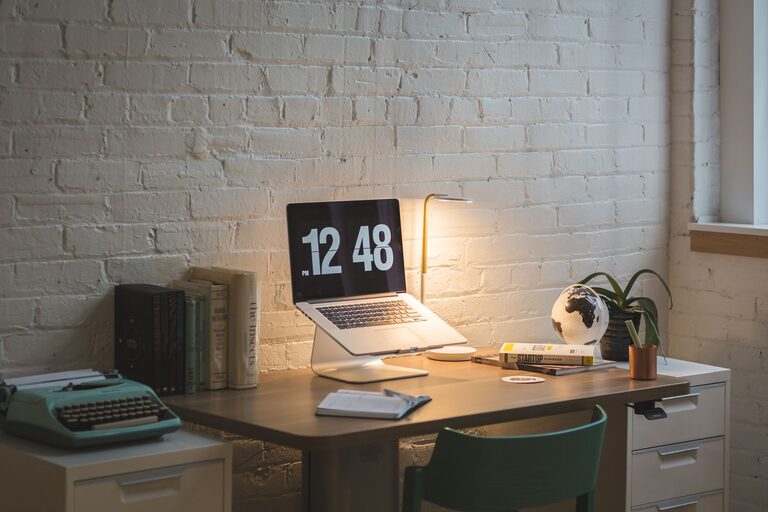
A cluttered desk can distract and overwhelm you. Keep only daily essentials on your surface. Use drawer organizers, boxes, or filing cabinets to store paperwork and office supplies. Make it a habit to tidy your desk at the end of each day to maintain a clean workspace.
5. Use Multi-Functional Furniture
In a small home office, furniture that serves more than one purpose can save space. Look for desks with built-in storage, fold-away desks, or chairs that double as storage ottomans. This approach reduces the number of items in your room while keeping everything you need close by.
6. Optimize Lighting
Good lighting reduces eye strain and boosts mood. Place your desk near a window for natural light and supplement it with a quality desk lamp. Adjustable lamps allow you to focus light where you need it most. Consider soft, warm bulbs to create a comfortable atmosphere.
7. Organize Cords and Electronics
Tangled cords can add to visual clutter and cause frustration. Use cable management tools like clips, sleeves, or boxes to keep cords neat and out of sight. Position your electronics so they’re easy to use but don’t take up too much desk space.
8. Personalize Your Space
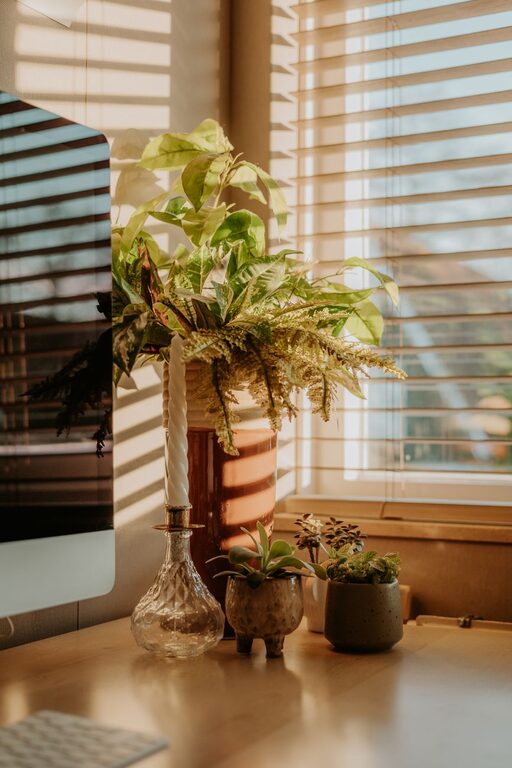
Adding personal touches can make your office more inviting and motivating. Display a few photos, a small plant, or inspiring artwork. Just be careful not to overdo it; keep decor simple to maintain a focused environment.
9. Set Up Zones for Different Tasks
If your space allows, divide your office into zones for different types of work—such as a computer area, a writing surface, or a filing spot. This separation helps you stay organized and switch tasks efficiently.
10. Keep Essentials Within Reach
Arrange your most-used items close by so you don’t waste time searching. Use desktop organizers for pens, notebooks, and sticky notes. Store printers, scanners, or other devices nearby but off your desk to save space.
Bonus Tip: Regularly Reassess Your Setup
As your work changes or your needs evolve, revisit your home office arrangement. Sometimes a small adjustment can improve comfort or efficiency significantly. Don’t hesitate to try new layouts or storage solutions to keep your space working for you.
—
Organizing a small home office doesn’t have to be complicated. With thoughtful choices and some creative ideas, you can create a workspace that supports your productivity while maintaining comfort. Remember, the goal is a space that helps you focus, minimizes distractions, and makes your workday smoother. Start small and build your ideal office one step at a time!
About the Author