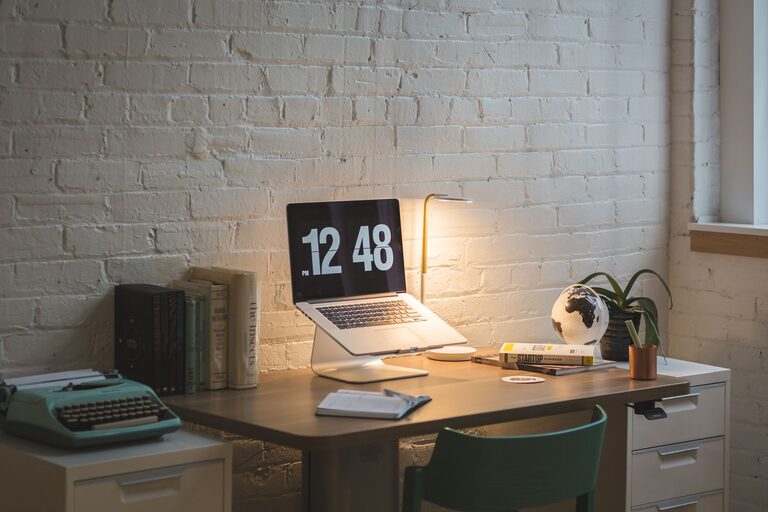
Creating a home office that is both clutter-free and productive is essential for anyone working from home or managing personal projects. A well-organized workspace can enhance focus, reduce stress, and help you work more efficiently. Whether you’re starting fresh or looking to improve your current setup, these practical tips will guide you in designing a home office that supports your productivity.
Assess Your Space
Before you start organizing, take a moment to evaluate your current workspace. Consider the amount of space you have, natural light, and how you use the area.
– Identify problem areas that tend to accumulate clutter.
– Note what supplies and equipment you actually need daily.
– Consider how your furniture placement affects comfort and workflow.
This initial assessment will help you create a plan tailored to your specific needs.
Declutter Regularly
Clutter is one of the biggest distractions in a home office. Create a habit of decluttering frequently to maintain a clear workspace.
– Set aside 10 minutes at the end of each day to tidy your desk.
– Sort papers immediately: file, recycle, or discard.
– Keep only essential items on your desk; store or remove everything else.
A decluttered workspace helps clear your mind and keeps important items within reach.
Choose Functional Storage Solutions
Good storage is key to maintaining order.
– Use drawer organizers to separate office supplies.
– Invest in shelves or filing cabinets for documents and books.
– Consider storage bins or boxes to keep less-frequently used items out of sight but accessible.
– Label storage containers for easy identification.
Organized storage keeps your office neat and reduces time spent searching for items.
Optimize Your Desk Setup
Your desk should support productivity and comfort.
– Position your desk near a window if possible to take advantage of natural light.
– Use ergonomic furniture, including a comfortable chair and a desk at the right height.
– Keep your monitor at eye level to avoid neck strain.
– Arrange your most-used tools within arm’s reach.
A thoughtfully arranged desk minimizes distractions and physical discomfort.
Manage Cords and Electronics
Electronic devices are essential but can create visual clutter with tangled cords.
– Use cable organizers, clips, or sleeves to group cords neatly.
– Consider wireless devices like keyboards, mice, or headphones.
– Place power strips in accessible but hidden areas.
Reducing cord mess creates a cleaner look and reduces hazards.
Establish Defined Zones
If your home office is multipurpose, creating designated zones can help you focus.
– Dedicate specific areas for computer work, paperwork, and meetings.
– Use rugs or furniture placement to visually separate zones.
– Keep related supplies in each zone to reduce unnecessary movement.
Defined zones help you stay organized and mentally switch between tasks with ease.
Incorporate Personal Touches Wisely
While personalizing your office is nice, too many decorations can contribute to clutter.
– Choose a few meaningful art pieces or photos.
– Add plants for a touch of greenery and improved air quality.
– Keep décor minimal and purposeful.
Personal touches should create a welcoming environment without overwhelming the space.
Maintain Digital Organization
Physical clutter often goes hand-in-hand with digital clutter.
– Organize computer files into clear folders.
– Delete unnecessary files and emails regularly.
– Use productivity apps to keep track of tasks and deadlines.
A clean digital workspace supports efficiency just as much as a tidy physical space.
Set a Routine for Cleaning and Organization
Consistency is key to keeping your office clutter-free.
– Schedule a weekly time slot for cleaning and organizing.
– Reassess your workspace quarterly to make adjustments.
– Involve family members if you share the space, setting boundaries as needed.
Regular upkeep prevents clutter from building up and maintains a productive environment.
—
With these tips in mind, you can transform your home office into a space that fosters focus and creativity. Remember, the goal is not just to have a tidy office but one that inspires you to work effectively every day. Small changes, steady habits, and thoughtful organization go a long way in creating your ideal workspace.
About the Author