
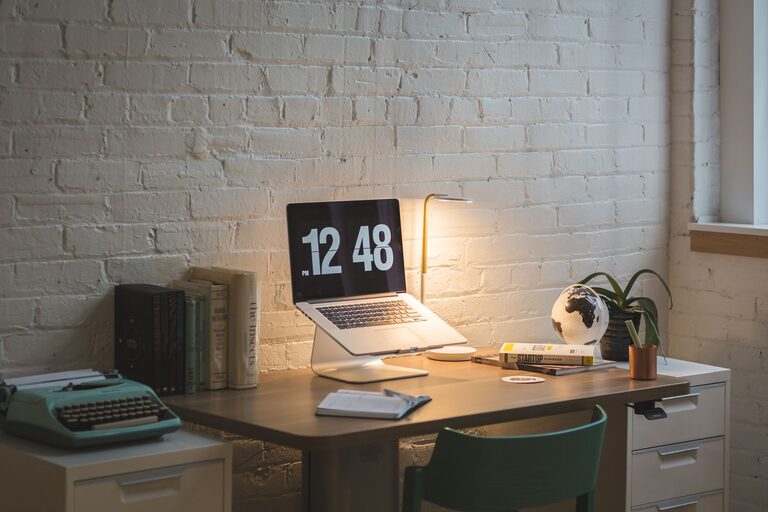
Creating a productive home office environment is essential for anyone working remotely or managing tasks from home. A well-designed workspace can increase focus, reduce stress, and improve your overall work performance. Whether you have a dedicated room or a small corner, these tips will help you set up an effective home office tailored to your needs.
Choose the Right Location
Find a Quiet Space
Selecting a quiet spot in your home minimizes distractions and helps maintain concentration. If possible, pick a room with a door you can close during work hours. If space is limited, consider using noise-cancelling headphones or a white noise machine to block out background sounds.
Natural Light is Key
Place your desk near a window to benefit from natural light. It boosts mood and energy levels, reducing eye strain compared to artificial lighting. If natural light is limited, use adjustable desk lamps with warm bulbs to create a comfortable atmosphere.
Invest in Comfortable Furniture
Ergonomic Chair and Desk
An ergonomic chair that supports your back and promotes good posture is crucial for long hours of work. Pair it with a desk at the right height to keep your arms parallel to the floor. This combination helps prevent neck, shoulder, and back pain.
Consider a Standing Desk
Alternating between sitting and standing can improve circulation and reduce fatigue. Adjustable standing desks or desk converters allow you to change positions throughout the day, enhancing comfort and productivity.
Organize Your Workspace
Declutter Regularly
Keep your workspace tidy by removing unnecessary items. Clutter can distract and increase stress, so only keep essentials within reach. Use organizers, trays, or drawers to store supplies neatly.
Use Cable Management Solutions
Cables can create visual chaos and interfere with cleaning. Use clips, zip ties, or under-desk trays to keep cords organized and out of sight, maintaining a clean and orderly environment.
Optimize for Technology
Reliable Internet Connection
A fast and stable internet connection is vital for seamless video calls, file sharing, and online research. If Wi-Fi signals are weak, consider using a wired Ethernet connection or a range extender.
Quality Equipment
Invest in a good quality monitor, keyboard, and mouse to improve comfort and productivity. Dual monitors can be helpful for multitasking. Also, ensure your computer’s software is up to date to avoid disruptions.
Personalize Without Overdoing It
Add Inspiring Decor
Personal touches like artwork, plants, or motivational quotes can make your office inviting and stimulate creativity. However, avoid overcrowding the space, which can create distractions.
Incorporate Plants
Plants not only brighten up your workspace but also improve air quality and reduce stress levels. Choose low-maintenance varieties like succulents or pothos for easy care.
Set Boundaries and Routines
Define Work Hours
Setting clear work hours helps separate professional and personal life. Communicate your schedule to family or roommates to minimize interruptions.
Create a Start-of-Day Ritual
Begin each workday with a routine that signals the start of work, such as making a cup of coffee or organizing your desk. This helps transition your mindset into a productive mode.
Control Noise and Distractions
Use Noise-Reducing Elements
Thick curtains, rugs, and upholstered furniture absorb sound and reduce echo, contributing to a quieter environment.
Minimize Digital Interruptions
Turn off non-essential notifications and use apps or focus modes to block distracting websites during work hours.
Maintain Good Air Quality and Temperature
Ventilation Matters
Fresh air improves concentration and energy levels. Open windows periodically or use an air purifier to maintain air quality.
Comfortable Temperature
Keep your workspace at a comfortable temperature, generally between 68°F and 72°F (20°C to 22°C), to avoid discomfort that could affect focus.
Prioritize Breaks and Movement
Follow the 20-20-20 Rule
To reduce eye strain, every 20 minutes look at something 20 feet away for at least 20 seconds.
Incorporate Stretching and Walks
Regular movement, like stretching or short walks, helps prevent stiffness and refreshes your mind.
—
By creating a home office environment that balances comfort, organization, and personal touches, you can significantly enhance your productivity and work satisfaction. Start with small changes and adapt your space to fit your workflow, and you’ll notice a positive impact on your daily routine.
About the Author