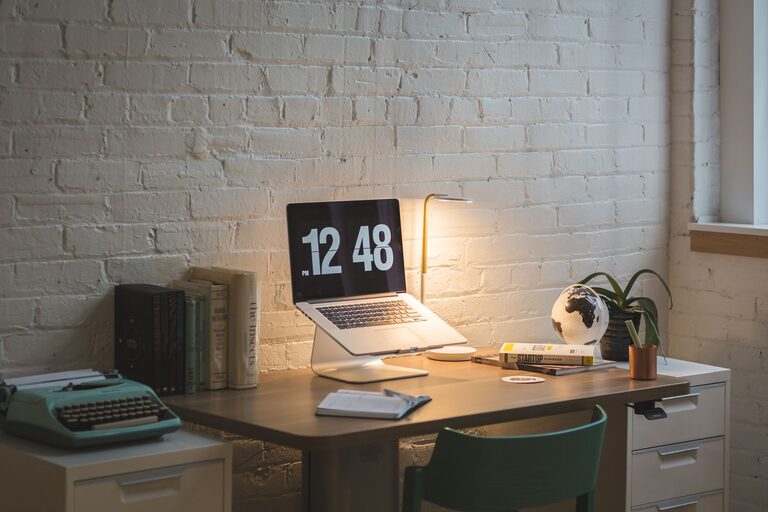
Creating a home office that balances comfort with productivity is essential in today’s work-from-home culture. Whether you have a dedicated room or a small corner of your living space, designing a cozy and efficient workspace can enhance your focus and well-being. Here are some helpful tips to build a home office that works for you.
Choose the Right Location
Finding the best spot for your home office is the first step. Ideally, select a quiet area with minimal distractions, away from household noise and high-traffic zones. If possible, pick a space with natural light—it can improve mood and reduce eye strain.
Consider These Factors:
– Proximity to power outlets and internet connection
– Privacy for video calls and focused work
– Adequate ventilation and temperature control
If space is limited, even a well-organized desk in a living room or bedroom can become an effective office nook.
Invest in Comfortable Furniture
Comfort is key to maintaining long periods of focused work. Select an ergonomic chair that supports good posture and a desk at the right height to prevent strain.
Tips for Furniture:
– Choose a chair with adjustable height, lumbar support, and cushioning
– Consider standing desks or desk converters to vary your working position
– Use a large enough desk to accommodate your computer, documents, and other tools without clutter
Adding a footrest or anti-fatigue mat can also enhance comfort during long work sessions.
Optimize Lighting
Proper lighting reduces eye fatigue and keeps you energized. Balance natural light with the right artificial lighting for your workspace.
Lighting Tips:
– Position your desk near a window for indirect natural light
– Use adjustable desk lamps with warm light to reduce glare
– Avoid harsh overhead lighting or direct sunlight on screens
Soft ambient lighting alongside a focused task light can create a warm and inviting atmosphere.
Keep Your Space Organized
A clutter-free workspace helps clear your mind and improves efficiency. Use organizers and storage solutions to keep essentials within reach but neatly stored.
Organization Ideas:
– Utilize drawers, shelves, and filing cabinets for documents and supplies
– Use desk organizers for pens, notebooks, and small electronics
– Keep cables tidy with clips or a cable management box
Declutter regularly to maintain a fresh environment and avoid distractions.
Personalize Your Workspace
Adding personal touches to your office can boost comfort and motivation. Choose décor and accessories that inspire you without overwhelming the space.
Ways to Personalize:
– Display a few framed photos, artwork, or motivational quotes
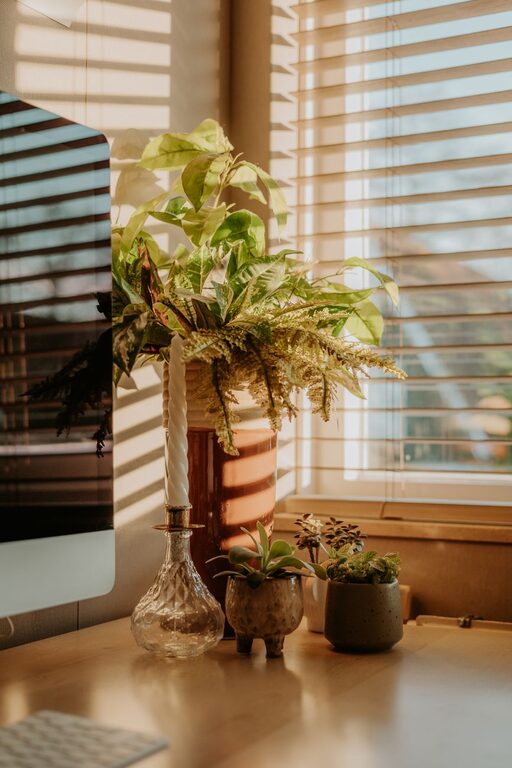
– Incorporate plants to bring in natural freshness and improve air quality
– Use colorful stationery, cushions, or rugs to add warmth
Balance personalization with simplicity to keep the space calming and professional.
Use Technology Wisely
Equip your home office with technology that supports your workflow. Efficient and reliable tools can make tasks easier and reduce frustration.
Essential Tech Tips:
– Invest in a good quality monitor for better screen visibility
– Use noise-canceling headphones to block distractions
– Ensure fast internet speed for smooth video calls and downloads
– Explore productivity apps to keep track of tasks and deadlines
Keep your devices charged and organized to maintain a seamless workday.
Maintain a Routine and Take Breaks
Finally, a cozy and productive office depends on how you use the space. Set clear work hours, take regular breaks, and step away from your desk throughout the day to recharge.
Healthy Work Habits:
– Follow a schedule to separate work and personal time
– Practice quick stretches or short walks to stay active
– Keep water nearby to stay hydrated
– Use your cozy setup as a place to relax during breaks
By caring for your workspace and your well-being, you’ll create an environment where productivity and comfort thrive together.
—
With these tips, you can create a home office that feels welcoming and helps you stay focused. Remember, the key is tailoring your space to meet your personal needs and workstyle. A little effort in design and organization can make a big difference in your daily work experience.
About the Author